
Outdoor Routers
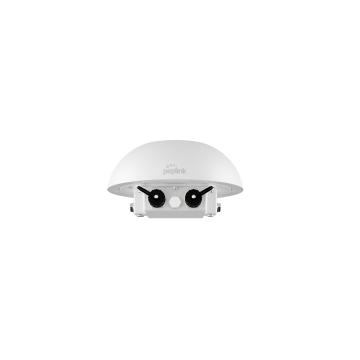
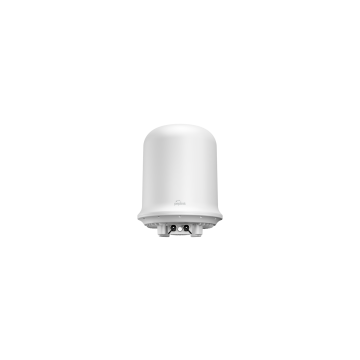
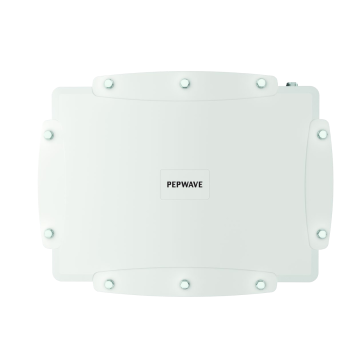
The signal is outside, and the router mounts there too. Outdoor routers are sealed to IP67 against rain, dust, and temperature extremes, with 5G and GPS antennas built into the housing.
Paygasus carries Peplink outdoor routers, and more.
Each unit mounts on a pole, rooftop, or exterior wall, with one Power over Ethernet cable running indoors for power and data. Single and dual 5G units sit alongside long-range variants for sites far from the tower, with FirstNet Capable and T-Priority marks on select units.
Browse the products below or request a quote that matches the unit, mount, and cable run to the site.
- ✔ IP67 outdoor units from the authorized source, with the manufacturer warranty
- ✔ Mount, PoE run, and indoor hand-off quoted together
- ✔ Talk to a specialist before buying
- ✔ Shop all routers
Why Mount the Router Outside
- ✔ Shorter path to the tower. The antennas sit in open air on the mast instead of behind a metal panel, where they can see signal that an indoor router in the same cabinet cannot.
- ✔ No antenna cable loss. Antennas are built into the housing, with no long coax run between antenna and radio.
- ✔ No indoor space needed. A pole, wall, or parapet is the install. The only indoor requirement is a PoE injector or switch port.
- ✔ One cable. Power and data arrive on a single Ethernet run, which also carries the connection to the equipment inside.
Sealed for Weather, Dust, and Temperature
IP67 sealing keeps rain, wash-down, and dust out of the housing. Operating temperature ranges cover unheated and sun-exposed mounts and are listed per unit. The dome form sheds water and snow and gives the antennas a clear view in every direction.
Single 5G, Dual 5G, and Long Range
- ✔ Single 5G for a site in reasonable coverage that needs one strong path outside the enclosure.
- ✔ Dual 5G for two carriers at once from one housing, for sites that cannot depend on a single network.
- ✔ Long range variants with higher-gain antennas for sites far from the nearest tower.
- ✔ FirstNet Capable and T-Priority marks on select units.
Frequently Asked Questions
How does the outdoor unit connect to the equipment inside?
Over the same PoE Ethernet cable that powers the unit. The cable runs to a PoE injector or switch indoors, which hands the connection to the site's router, switch, or terminal.
Does it need a separate antenna?
No. The cellular and GPS antennas sit inside the housing, which is the reason to mount the whole unit outside.
What does IP67 mean for the install?
The housing is sealed against dust and temporary immersion, keeping rain, snow, and wash-down away from the electronics. The mount, cable gland, and connector caps must be fitted as the product page specifies.
How far can the cable run?
Standard Ethernet distance from the injector or switch, about 100 meters, which covers most pole and rooftop mounts.
Can it replace an indoor router entirely?
At a small site, yes: the outdoor unit routes, and the indoor side is a switch or terminal. At a larger site, it usually feeds an indoor router as one of its WAN paths.