

Payment Terminals
Checkout lanes, front desks, cashier windows, and field teams need card hardware that is ready to run the day it arrives. Paygasus carries payment terminals from PAX, Ingenico, Verifone, Castles, and Dejavoo in countertop, wireless, PIN pad, multilane, and Android smart terminal formats, with EMV chip, NFC contactless, Apple Pay, Google Pay, and PIN debit acceptance across the range. Every device ships key injected and ready to take payments on Ethernet, Wi-Fi, or 4G LTE.
Match a device to the checkout it serves in the guide below the catalog, then filter by brand or connectivity.
-
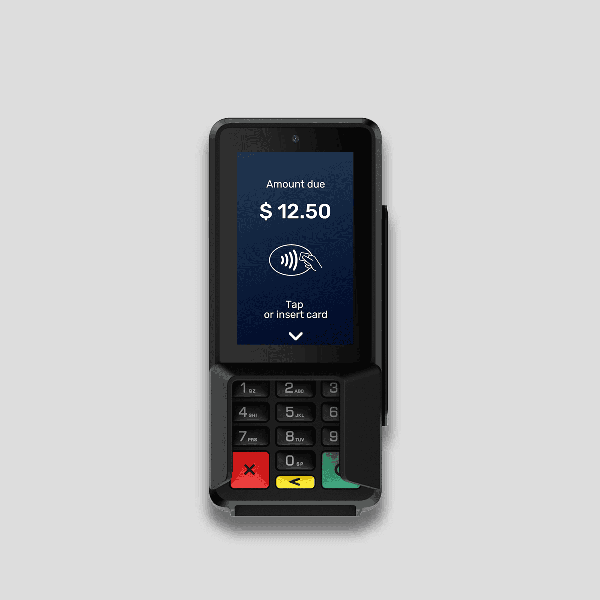
Castles S1P2 Wireless Terminal (Without I/O) - 4G, Wi-Fi, Bluetooth, LAN
Android 13 PIN pad that takes chip, contactless, magstripe, and QR payments over 4G, Wi-Fi, Bluetooth, or LAN.
More details$206.40 -
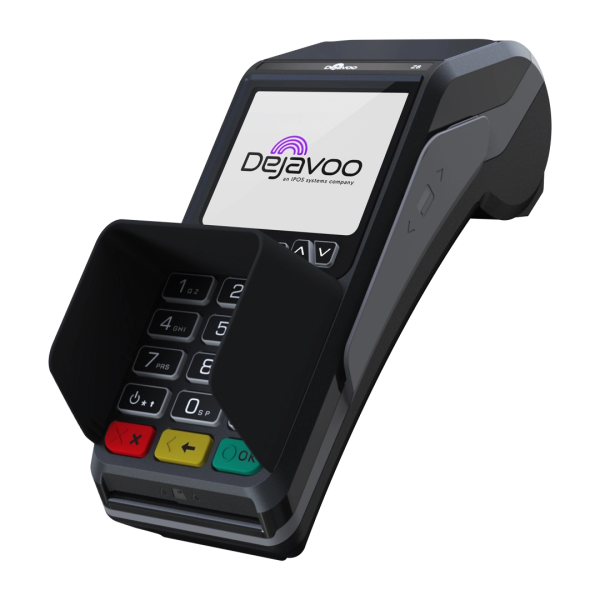
Dejavoo Systems Z8 v4 Countertop Terminal - Wi-Fi, No Modem
Countertop terminal with built-in thermal printer that clears EMV and NFC payments over Wi-Fi or Ethernet.
More details$264.00 -
Image coming soon
Valor PayTech VL 100 Pro Terminal - Wi-Fi, Ethernet, USB
Compact touchscreen terminal with built-in printer for tap, dip, swipe, and EBT acceptance.
More details$270.00 -
Image coming soon
Valor PayTech VP100 Terminal - Wi-Fi, Ethernet
Countertop terminal with bill splitting, signature capture, and automatic connection failback.
More details$270.00 -
Image coming soon
Valor PayTech VP800 Android POS - 4G, 5G, Wi-Fi, Bluetooth
Dual-screen Android POS with 8 inch merchant and 5 inch customer displays, printer, and 5G connectivity.
More details$738.00 -
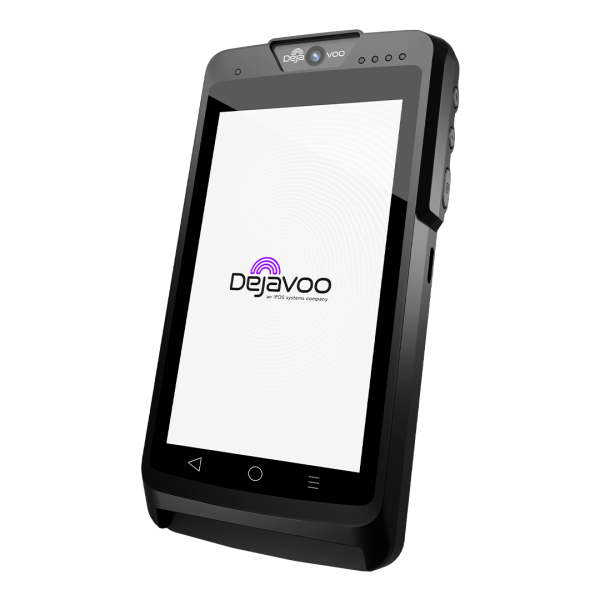
Dejavoo Systems QD3 Android Wireless - 4G, Wi-Fi, Bluetooth
Pocket-sized Android terminal with camera barcode scanning for payments in store or on the go.
More details$306.00 -
Image coming soon
PAX A3700 Tablet - 4G, Wi-Fi, Bluetooth
7 inch Android payment tablet for pay-at-the-table, counter, and mobile checkout.
More details$504.00 -
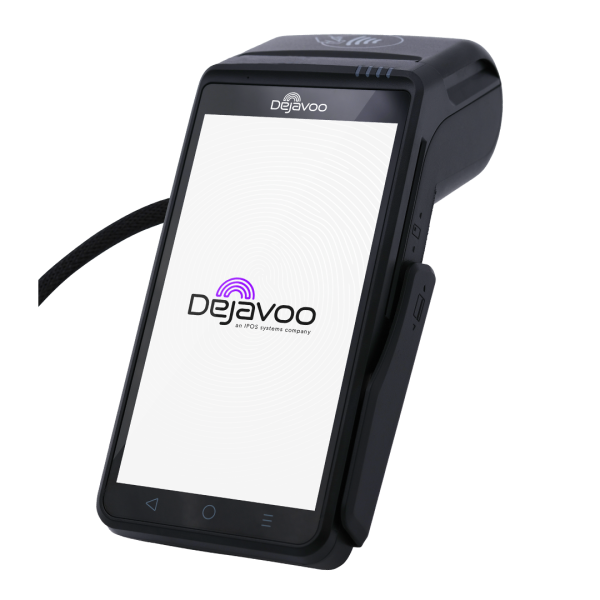
Dejavoo Systems QD4 PCI 6 Android - Wi-Fi, Ethernet
Android 12 countertop terminal with dual-band Wi-Fi, Ethernet, and a 58mm thermal printer.
More details$336.00 -
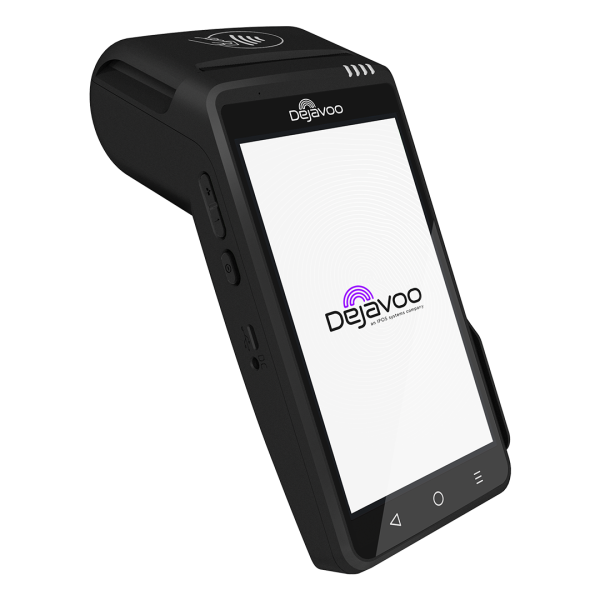
Dejavoo Systems QD2 Android - 4G, Wi-Fi, Bluetooth
Wireless Android terminal with 5.5 inch touchscreen for card, contactless, and PIN acceptance on the move.
More details$540.00 -
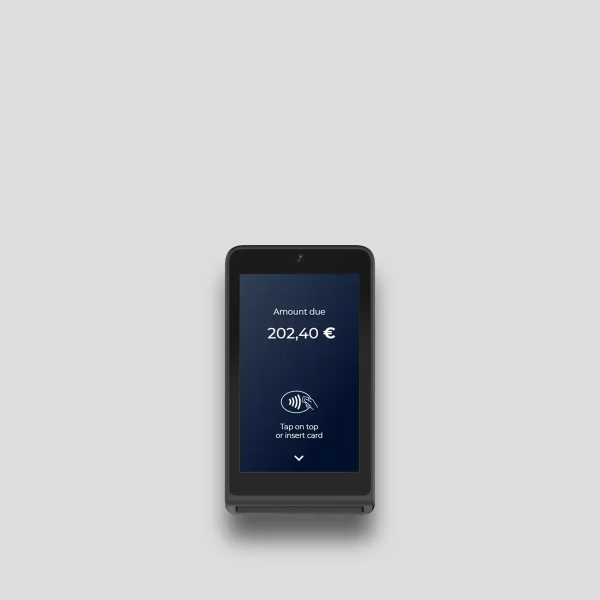
Castles S1Mini2 Compact Wireless Terminal - 4G, Wi-Fi, Bluetooth, LAN
Compact Android 13 terminal for mobile acceptance, sized for delivery, taxis, and outdoor vendors.
More details$206.40 -
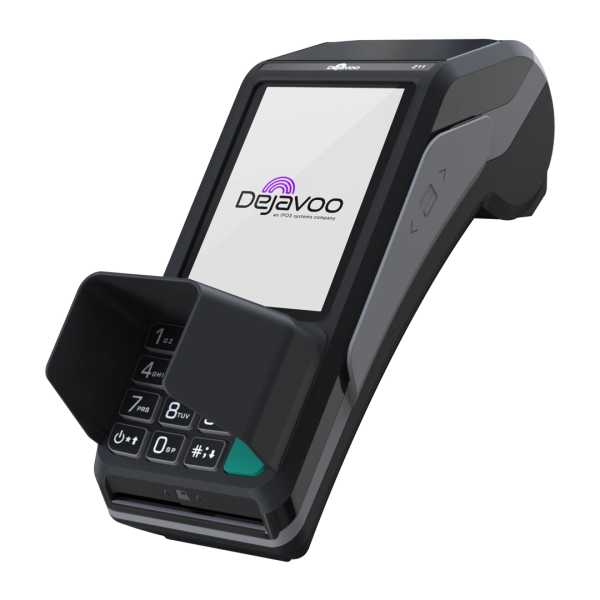
Dejavoo Systems Z11 v4 Countertop Terminal - Wi-Fi, No Modem
Wireless-capable countertop terminal with touchscreen and thermal printer for EMV and NFC acceptance.
More details$312.00 -
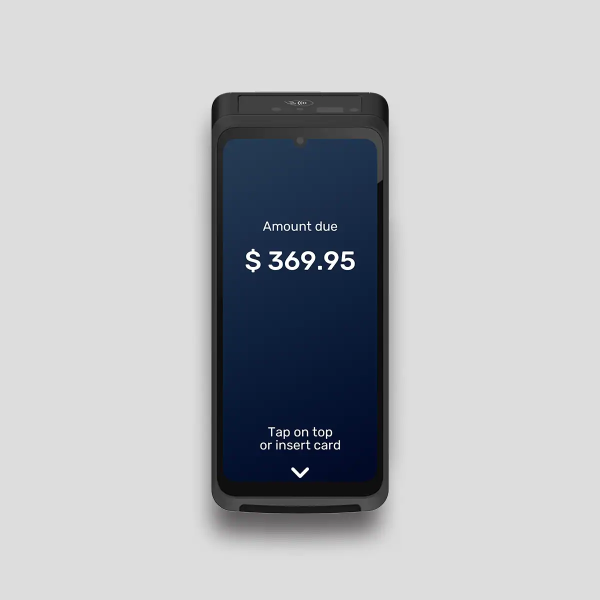
Castles S1F4 Pro Wireless Terminal - 4G, Wi-Fi, Bluetooth, LAN
Octa-core Android 13 terminal with integrated printer that runs multiple payment apps at once.
More details$284.40 -
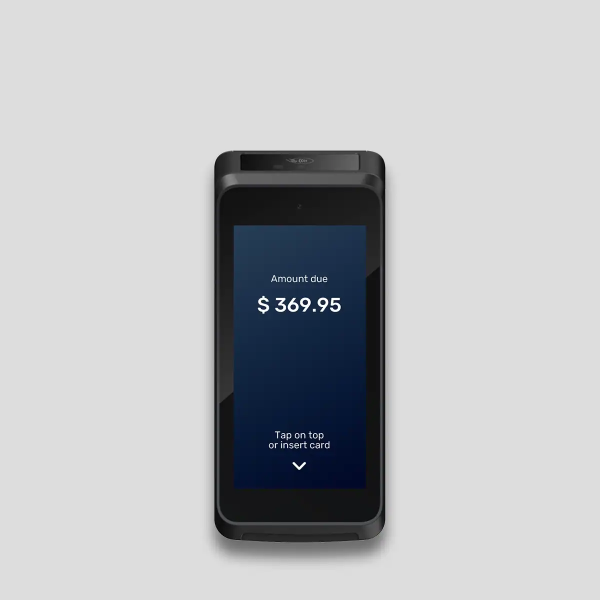
Castles S1F4 Standard Wireless Terminal - 4G, Wi-Fi, Bluetooth, LAN
Portable Android 13 terminal with 5.5 inch touchscreen, printer, and dual cameras.
More details$260.40 -
Image coming soon
Valor PayTech VP300 PRO Pin Pad
Retail PIN pad with 5 inch touchscreen and signature capture that integrates with existing ECR systems.
More details$291.43 -
Image coming soon
Valor PayTech VP550C Desktop Terminal - Wi-Fi, Ethernet
Android 12 countertop terminal with built-in camera and high-speed thermal printing.
More details$306.00 -
Image coming soon
Valor PayTech VP350 Pin Pad
Android PIN pad with 5 inch touchscreen that pairs with existing POS systems over Wi-Fi, Ethernet, or serial.
More details$342.00 -
Image coming soon
Valor PayTech VL110 Wireless Device - 4G, Wi-Fi, USB
Fully wireless terminal with built-in printer for line busting and table-side acceptance over 4G or Wi-Fi.
More details$378.00 -
Image coming soon
Ingenico LANE 3600 Terminal without Camera - Wi-Fi, Ethernet
Compact PIN pad terminal on Telium TETRA that integrates into retail and hospitality checkouts.
More details$518.40 -
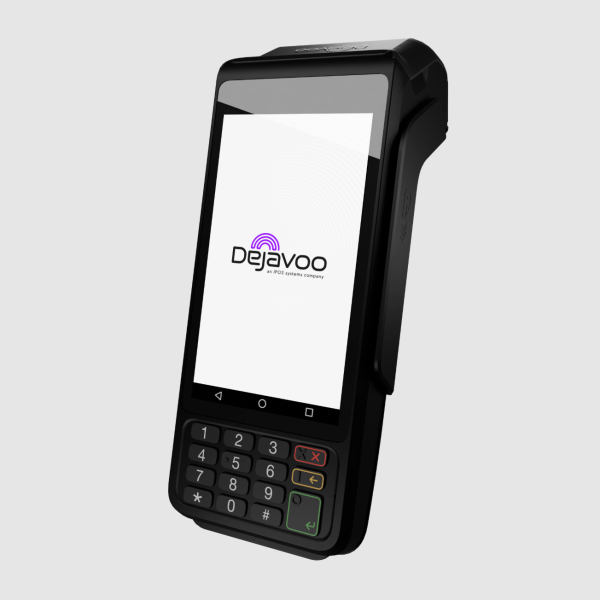
Dejavoo Systems P3 Android Wireless - 4G, Wi-Fi, Bluetooth
Handheld Android terminal with scanner, camera, and printer for in-aisle and curbside acceptance.
More details$410.40 -
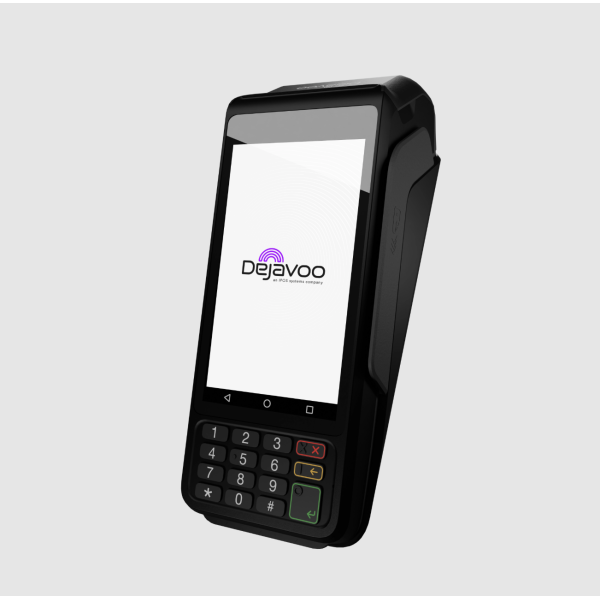
Dejavoo Systems P1 Countertop - Wi-Fi, LAN, USB
Android countertop terminal with built-in scanner, camera, and 50ft high-speed printer.
More details$258.00 -
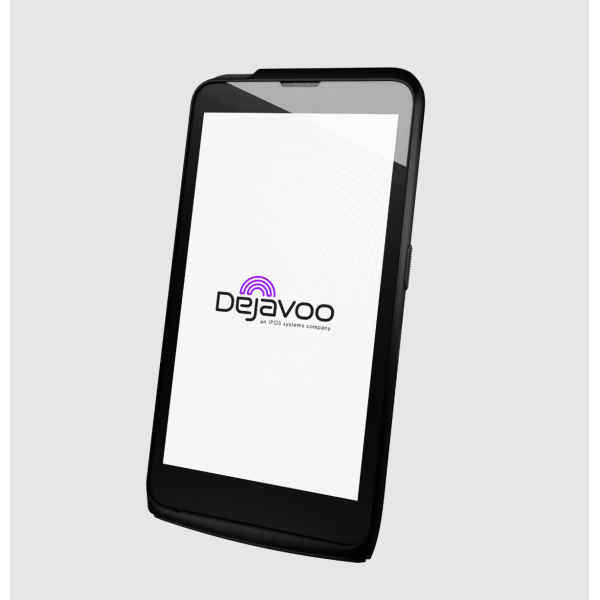
Dejavoo Systems P5 Android Wireless - 4G, Wi-Fi, Bluetooth
Lightweight Android wireless terminal built for one-handed checkout on the move.
More details$270.00 -
Image coming soon
PAX S920 Wireless Terminal - 4G, 3G, Wi-Fi
Wireless terminal with contactless, NFC, and signature capture, sold as-is at closeout pricing. Final sale, sold as-is; may no longer be eligible...
More details$120.00 -
Image coming soon
PAX A80 Wireless Terminal - Wi-Fi, Bluetooth, Ethernet
Countertop Android terminal with PCI PTS 6.x security and NFC contactless certification.
More details$258.00 -
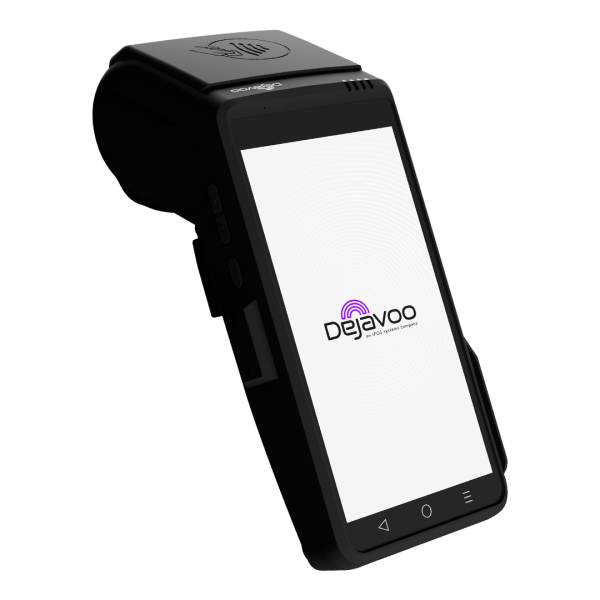
Dejavoo Systems QD5 Android - Wi-Fi, Ethernet, USB
Android PIN pad with barcode scanner and mounting plate for multi-lane and stand-alone counters.
More details$306.00 -
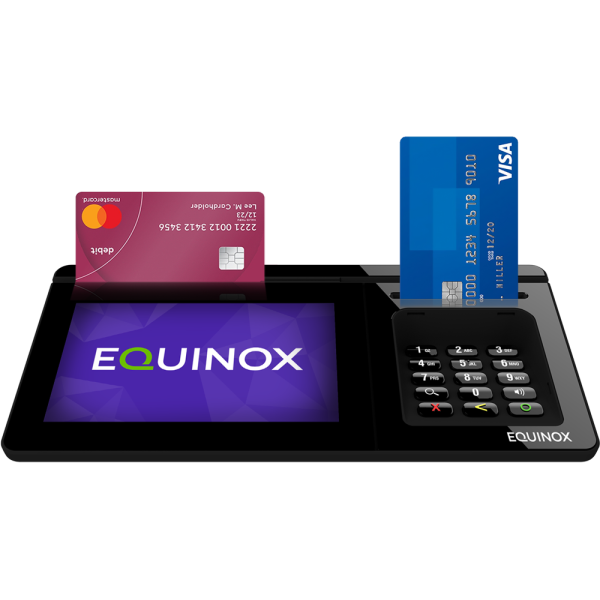
Equinox Luxe 8500i Semi-Integrated Device - USB, Ethernet
Semi-integrated terminal with 5 inch HD display and top-mounted card reader for high-traffic lanes.
More details$548.40 -
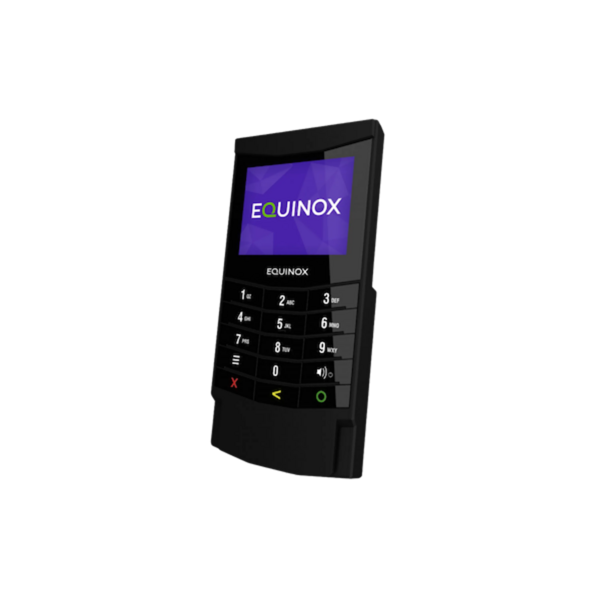
Equinox Luxe 6200m Countertop and Wireless Terminal - 4G, Wi-Fi, Bluetooth, USB, Ethernet
Compact Luxe 6200m payment device family with wired countertop, 4G, and wireless battery builds.
More detailsFrom $325.20 -
Image coming soon
NEXGO N5 Wireless Terminal - 4G, Dual-Band Wi-Fi, Bluetooth
Android terminal with hidden thermal printer and barcode scanner that runs stand-alone or with a POS.
More details$354.00 -
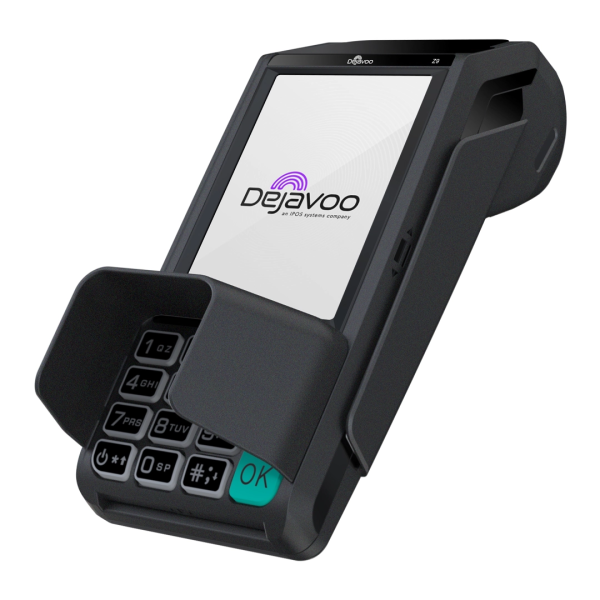
Dejavoo Systems Z9 v4 Wireless Terminal - Wi-Fi
Wi-Fi terminal for pay-at-the-table that connects to your own wireless network, sold as-is. Final sale, sold as-is; may no longer be eligible for...
More details$432.00 -
Image coming soon
PAX Aries 8 v.2 Smart Tablet - Wi-Fi, Bluetooth, Ethernet, Optional 4G
Android smart tablet with integrated PCI 5 payment module for high-volume checkout lanes.
More details$462.00 -
Image coming soon
Verifone V400M Wireless Terminal - Wi-Fi
Wi-Fi wireless terminal for TSYS processing accounts, sold as-is at closeout pricing. Final sale, sold as-is; may no longer be eligible for MFG...
More details$238.80
No products match these filters.
Terminal Types and Where Each Fits
| Format | Where It Fits | Models in the Catalog |
|---|---|---|
| Countertop Terminals | Fixed checkout, service counters, and cashier windows. Runs the full sale on the device, with a built-in receipt printer on most models. | Dejavoo Z8, Dejavoo Z11, Ingenico DX4000, Verifone V200c Plus |
| Wireless and Portable Terminals | Tableside service, line busting, curbside pickup, and field service. Battery powered on 4G LTE, Wi-Fi, or Bluetooth. | PAX A920 Pro, PAX A920MAX, Castles S1F4, Ingenico DX8000, Verifone V660p |
| PIN Pads | Customer-facing card entry beside a register, POS, or front-desk workstation that runs the sale. | Ingenico Lane 3600, Dejavoo QD5 |
| Multilane and Semi-Integrated Devices | High-volume lanes wired to a POS or ERP. The sale amount passes to the device, and card data stays off the register. | Ingenico Lane 8000, Ingenico RX7000, PAX Q30 |
| Android Smart Terminals and Tablets | Itemized orders, tipping, loyalty, and business apps on the device itself. | PAX A3700, PAX Aries 8, Dejavoo QD4, Verifone Victa |
Kiosks, parking, EV charging, and vending run on outdoor-rated readers. See unattended payment hardware for those deployments.
What Arrives Ready to Transact
- Key injection before shipping. Encryption keys are loaded into the device's secure memory, so card data is encrypted the moment it is read.
- Ordering options on each product. Secure keys, cables, and accessories are selected on the product page, so the box arrives complete.
- Expert Configuration. The Paygasus team is available to help set up the device before it goes live at the counter.
- Built for fleets. Multi-site operators standardize one model per checkout type across 3,400+ operating locations in all 50 states, with PCI DSS Level 1 and SOC 2 Type II behind the hardware and 24/7 customer support once devices are in the field.
Common Questions
What Is the Difference Between a Countertop Terminal and a PIN Pad?
A countertop terminal runs the whole transaction on its own. It reads the card, connects to the processor, and prints the receipt. A PIN pad is the customer-facing half of a checkout: it reads the card and takes the PIN while a register or POS runs the sale.
What Does Key Injection Mean?
Key injection loads encryption keys into a terminal's tamper-resistant memory. Card data is encrypted when it is read, and only the processor holding the matching key can decrypt it. A device without keys for its processor cannot run transactions.
Will a Terminal Work With My Processor?
A terminal has to be certified with the processor that runs its transactions, and its keys are injected for that processor. Confirm certification with your processor, or ask the Paygasus team to check before ordering. Cellular models can run on Paygasus Connect for managed multi-carrier connectivity across AT&T, T-Mobile, and Verizon.