

Satellites
A connection for the site that fiber and cellular do not reach, or a second path for the site that cannot depend on one. Satellite internet kits are low-earth-orbit terminals: a flat antenna, a power supply and a router or an Ethernet handoff, built in a fixed-site form for a building, a ruggedized in-motion form for vehicles and vessels, and a portable form a crew carries in and runs from DC power. Each kit is specified with the mount for its surface, the cable run for its distance and the power for what is at the site, so it installs as infrastructure rather than as a dish on a tripod.
Starlink is available with additional satellite brands coming soon. Browse the kits below, or request a quote that matches the terminal, the mount and the power to the site.
- ✔ Authorized Solution Provider, manufacturer warranty on every kit
- ✔ Terminal, mount, cabling and power specified on one order
- ✔ Talk to a specialist before you buy
- ✔ Shop all networking devices
-
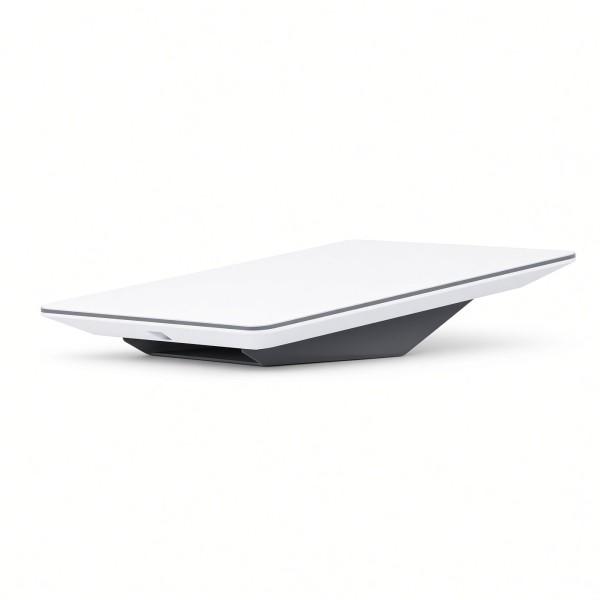
Starlink Performance Gen 3 Satellite Internet Kit - 400+ Mbps, AC/DC Power
Flat phased array Starlink antenna kit engineered for harsh environments, extreme weather, and in-motion use, with AC and DC power and 400+ Mbps...
More details$1,999.00 -
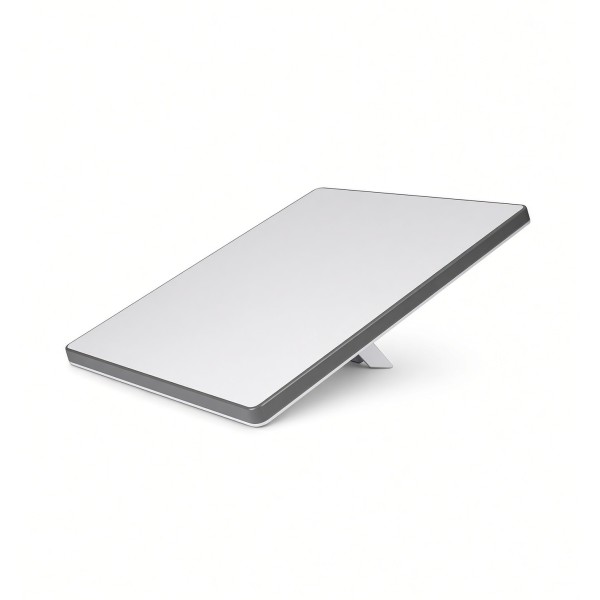
Starlink Mini Kit - Portable Satellite Internet, Built-In Wi-Fi, 12-48V DC
Backpack-size Starlink kit with a built-in Wi-Fi router, IP67 sealing, and 12-48V DC power for field crews and vehicles on the move.
More details$299.00 -
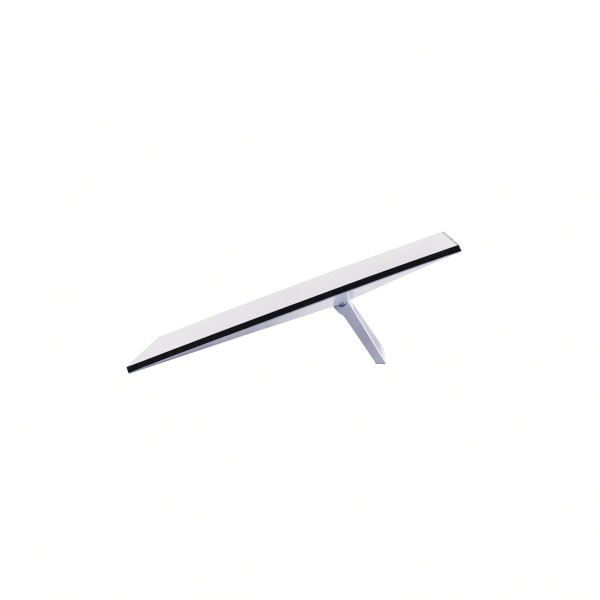
Starlink Standard 4 Kit - Fixed Site Satellite Internet, Wi-Fi 6 Router
Fixed-site Starlink kit with the Wi-Fi 6 Gen 3 router in the box, IP67 sealing, and snow melt for year-round business connectivity.
More details$349.00
No products match these filters.
Low-Earth-Orbit Terminals and What Changed
Older satellite service ran on geostationary satellites 22,000 miles up, with latency in the 600 millisecond range that ruled out voice, video and card authorizations in any practical sense. Low-earth-orbit constellations fly at a few hundred miles, bring latency down to a range comparable to cellular, and are commonly reported at speeds that carry a staffed building. That is what moved satellite from a last resort to a path a network engineer plans around, as primary where nothing else reaches and as backup where one trench or one tower is the only other way in.
Fixed Site, In Motion or Carried In
- ✔ Fixed-site terminals mount on a roof, wall or pole, run on AC through a power supply, and hand off to the building network. Snow melt and IP-rated sealing are standard on the current generation.
- ✔ In-motion terminals use a flat, ruggedized antenna rated for vehicles and vessels under way, take AC or DC, and carry a mobile command unit, a service fleet or a transit vehicle.
- ✔ Portable terminals pack to backpack size, carry built-in Wi-Fi, and run from 12 to 48 volt DC, a vehicle outlet or a USB-C source, for the crew that needs a link in minutes and takes it with them when the job ends.
Primary Path or Backup Behind Fiber and Cellular
- ✔ Primary where nothing else reaches. A rural plant, a highway charging site, a yard at the county line or a water district pump station runs on the terminal as its only path.
- ✔ Backup behind fiber. A dish on the roof is a path that shares no trench, no central office and no tower with the line already in the building.
- ✔ Alongside cellular. A router that carries satellite and AT&T, T-Mobile or Verizon cellular together moves traffic between them when one fails, and can combine them for capacity. That router and its bonding live on Multi-Orbit Routers.
Power, Mounting and the Handoff to the Site Network
- ✔ AC in a closet, DC in a vehicle. Rack-mount power supplies take AC or DC and add battery backup, a PoE port and a LAN port; DC-DC supplies run a terminal from vehicle or battery power without an inverter.
- ✔ Mount by surface. Pole, wall, pitched roof, flat roof that cannot be drilled, ground, and vehicle wedge, flat and roof-rack mounts. The surface decides the mount; the mount decides whether drilling is on the table.
- ✔ Cable run by distance. Antenna cable is ordered to the run from dish to equipment, with routing kits for standard and masonry walls.
- ✔ Ethernet handoff. The included router serves a small site on its own. Where an enterprise router and switch are already in place, the terminal hands off over Ethernet and the included router is set aside.
Business Service and Priority Data
Business and public-sector terminals run on business service plans, which carry priority data ahead of residential traffic, a public IP option, a management portal for the fleet, and terms written for commercial use. Service plans are tied to the terminal and the use, fixed, mobile or maritime, and are set up on the account before the hardware ships. The quote includes a walkthrough of the plan options.
Before the Order: Site Checks That Decide the Kit
- ✔ Sky view. The antenna needs an unobstructed view of the sky in the direction the constellation favors; a tree line or a taller building beside the mount point is the first thing to check.
- ✔ Fixed or moving. Anything under way takes the in-motion terminal; a building takes the fixed-site kit; a crew takes the portable.
- ✔ Power at the site. AC, vehicle DC or battery with backup decides the power supply ordered with the kit.
- ✔ Distance to the equipment. Measure the run before ordering; the next length up is the right one.
- ✔ What is already on the network. An existing router and switch take the Ethernet handoff; a bare site uses the router in the box.
Frequently Asked Questions
Can a satellite terminal be the only connection at a site?
Yes. Sites beyond the last fiber drop commonly run on one terminal alone. Where a second path is required by the agency or the contract, a cellular router carries satellite and cellular together.
What is the latency on low-earth-orbit service?
Commonly reported in a range comparable to cellular, which is low enough for voice, video and card authorizations. Geostationary service, at roughly 600 milliseconds, is not.
Does the terminal need its own router?
Fixed-site and portable kits include one. Where an enterprise router is already on site, the terminal hands off over Ethernet and the included router is not used.
Will it run from vehicle or battery power?
Yes. In-motion terminals take DC through a DC-DC supply, and portable terminals run from 12 to 48 volt DC, a vehicle outlet or a USB-C source.
Can the antenna be mounted without drilling?
Yes. Ballast-weighted roof mounts and ground frames hold a fixed-site antenna without penetrating the roof, which matters on leased buildings and historic structures.
What is the difference between a business plan and a residential plan?
Business plans carry priority data ahead of residential traffic, a public IP option, fleet management tools and commercial terms. Hardware sold here is specified for business service.
Does weather affect the connection?
Heavy rain and snow can reduce throughput briefly. Current fixed-site antennas carry snow melt and IP-rated sealing, and the in-motion antenna is built for extreme weather. Each product page lists the operating range.