Secure Payment Gateway Services

Paygasus helps businesses manage payment routing with stronger provider control, broader routing flexibility, and more consistent transaction operations. The orchestration layer supports multi-provider routing, fraud-aware decisioning, and transaction optimization across retail, self-service, mobility, transit, EV charging, and other integrated payment environments. This approach gives businesses evaluating secure payment gateway services a way to improve authorization performance, reduce avoidable costs, and gain better control over transaction flow.

What Is Payment Gateway Orchestration?

Payment gateway orchestration is the process of routing transactions across multiple gateway, processor, and acquirer connections based on business rules, provider availability, and performance conditions. It helps businesses manage ecommerce, card-present, and integrated payment flows with more control over authorization logic, failover strategy, and transaction handling.

Educational Insight

Smart payment routing evaluates provider availability, transaction type, risk signals, and business logic to select the most suitable processing path for each transaction.

Business Benefit
Reduce single-provider dependency, strengthen payment continuity, and gain more control over how transactions move across channels, providers, and merchant systems.

Paygasus Payment Routing Capabilities

Multi-Provider Payment Routing

Multi-Provider Payment Routing

Route transactions across multiple payment providers based on performance, availability, cost, and transaction requirements to support stronger authorization results and more flexible gateway management.
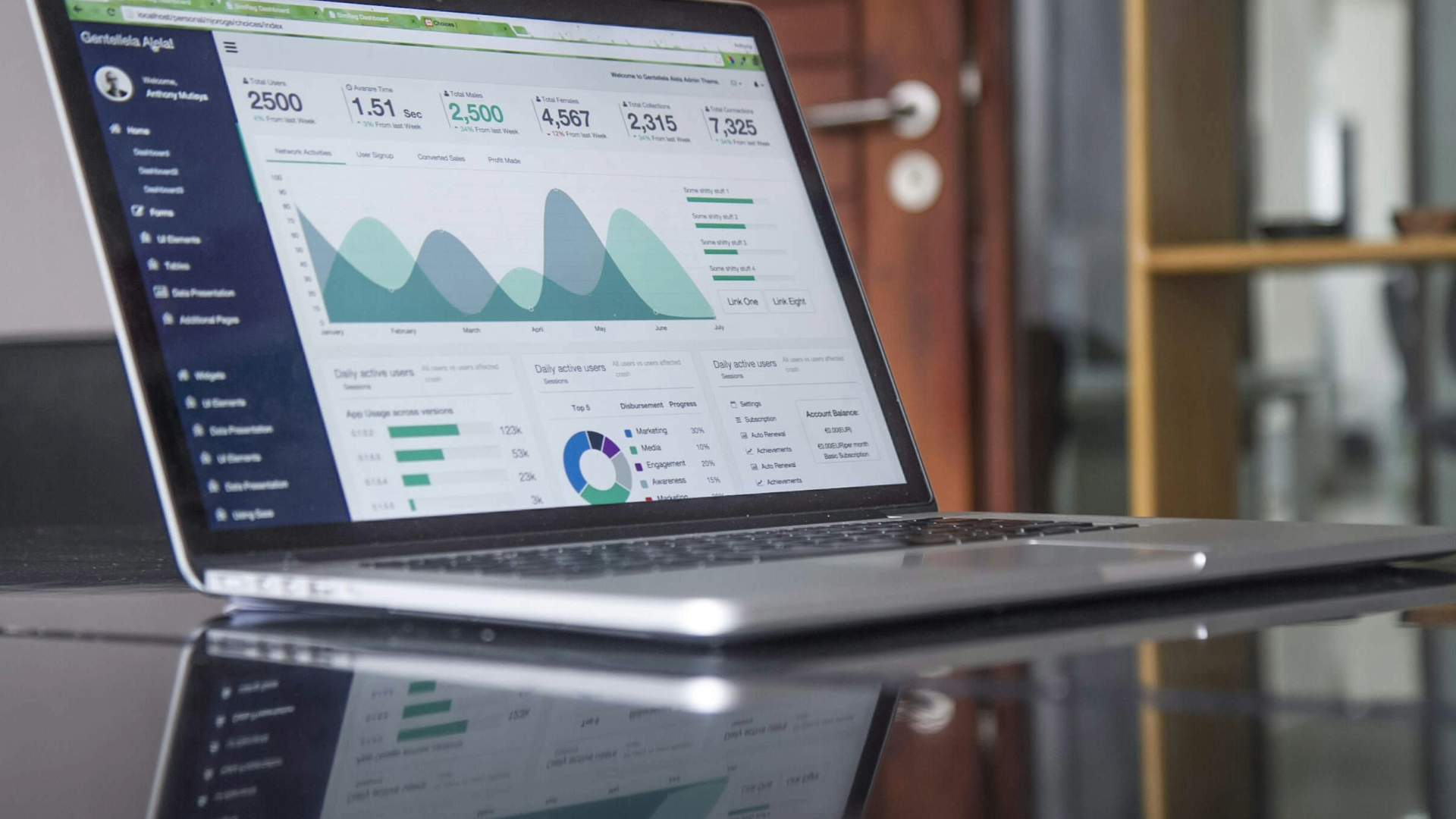
Payment Routing Optimization

Payment Routing Optimization

Apply routing logic in real-time to direct each transaction through the path best aligned with cost efficiency, provider performance, authorization goals, and operational priorities.

Fraud-Aware Routing

Fraud-Aware Routing

Use fraud-aware routing rules and risk signals to guide transaction handling in ways that help reduce unnecessary exposure while supporting smoother payment acceptance.

Omnichannel Payment Support

Omnichannel Payment Support

Support card-present and card-not-present transactions through a unified gateway layer that helps businesses manage payment flows more consistently across ecommerce, in-person, and integrated channels.
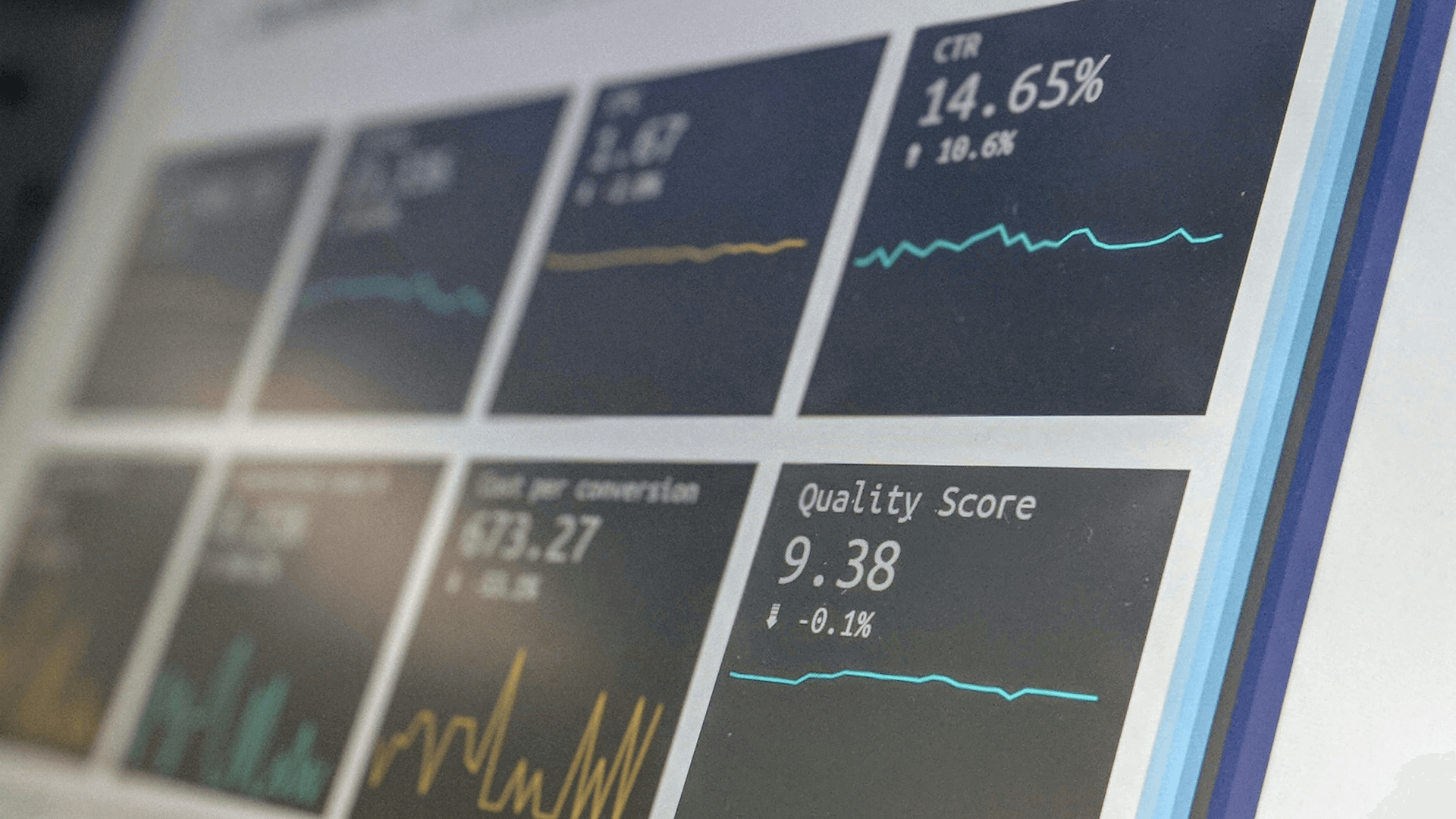
Secure Payment Data Handling

Secure Payment Data Handling

Protect sensitive payment data through a secure gateway layer that supports tokenization, encryption, and more controlled transaction handling across connected payment environments.

Gateway Routing vs. Traditional Gateway Models

See how Paygasus supports a multi-provider routing strategy compared with traditional single-provider gateway models across routing, resiliency, control, and payment performance.

Aspect Multi-Provider Gateway Model Traditional Gateway
Routing Model Multi-provider routing based on rules, availability, and performance conditions Single-provider routing with limited flexibility
Processing Continuity Can support payment failover routing when a provider underperforms or becomes unavailable More exposed to disruption when the primary provider has issues
Transaction Control Greater control over routing logic, provider selection, and optimization strategy Less control over how transactions are routed and managed
Cost Management Can help reduce avoidable processing costs through smarter routing decisions Costs are tied more closely to a fixed provider path
Fraud-Aware Decisioning Supports routing strategies informed by risk signals and transaction conditions Often limited to basic gateway-level screening

Ready to move beyond a fixed gateway model with Paygasus and smarter payment routing?

Talk to Sales

Why Choose Paygasus for Payment Routing Control?

Paygasus helps businesses deploy multi-provider routing with greater visibility into provider behavior, routing strategy, and transaction flow across connected payment systems. The platform supports card-present and card-not-present environments plus flexible integration paths that help merchants manage payment flows across channels with more control and less dependency on a single provider.

Business Benefit

Use this payment routing architecture to strengthen continuity, support smarter provider selection, and improve operational flexibility as payment volumes, channels, and processing needs evolve.

  • Support multi-provider payment routing.
  • Enable payment failover routing strategies.
  • Handle CP and CNP transaction flows.
  • Integrate through flexible API-based deployment models.

How Paygasus Supports Smarter Gateway Services

Paygasus helps businesses improve provider flexibility, strengthen payment continuity, and improve transaction performance across providers, channels, and connected merchant systems.

1

Assess Payment Environment

Review gateway connections, provider dependencies, transaction flows, routing gaps, and channel requirements to identify where payment operations can be improved.

  • Provider and gateway review
  • Routing gap analysis
  • Transaction flow mapping
2

Connect Providers and Systems

Bring providers, gateways, merchant systems, and payment channels into a more unified routing structure so transaction decisions can work across the payment stack.

  • API-based integration
  • Environment configuration
  • Testing and validation
3

Apply Routing Logic

Use business rules to guide transaction handling based on provider performance, failover needs, transaction type, risk conditions, and channel requirements.

  • Provider prioritization
  • Failover logic
  • Risk-based routing rules
4

Monitor and Improve Performance

Track payment performance over time so routing decisions can be refined as provider behavior, costs, transaction patterns, and channel mix change.

  • Authorization trend monitoring
  • Routing performance review
  • Cost and continuity analysis

Payment Routing and Gateway Orchestration FAQs

Transactions are routed across multiple payment providers, gateways, or acquirers based on rules tied to performance, availability, cost, and transaction conditions. This gives businesses more control over payment flows, provider selection, and processing continuity than a traditional single-provider gateway model.

Multi-provider payment routing helps businesses reduce dependence on a single processing path, support payment failover routing, and make routing decisions based on provider performance, transaction type, or business rules. This can improve processing continuity and create more flexibility across payment operations.

Fraud-aware routing uses transaction conditions and risk signals to influence how payments are routed. Instead of sending every transaction through the same path, businesses can apply logic that supports more controlled payment handling when fraud exposure, transaction attributes, or provider behavior vary.

A flexible gateway layer helps businesses manage transaction authorization, routing, and payment data protection across connected providers and channels. It can support tokenization, encryption, and more controlled payment handling across ecommerce, in-person, and integrated payment environments.

This routing model can work within an existing payment stack when the business has the right integration path, provider connections, and routing requirements. It is often used to add flexibility across current gateway relationships instead of relying on a single fixed provider model.

Ready to Improve Payment Routing Performance?

Contact our team to see how gateway orchestration and smarter routing logic can improve transaction routing, support more resilient payment flows, and give your business greater control over payment operations.