Payment fraud controls help businesses review transaction risk before card testing, suspicious activity, repeated failures, unauthorized purchases, or chargebacks create operational cleanup. Paygasus supports layered fraud control workflows that use verification checks, rule-based screening, velocity thresholds, source restrictions, and reviewable payment activity.
Digital payment environments can face card testing, suspicious transaction patterns, repeated failed attempts, high-risk sources, and account misuse. Fraud controls give teams a more structured way to screen payment activity, flag unusual behavior, and decide which transactions need closer review before risk turns into chargebacks or manual cleanup.
Use configurable fraud rules to reduce manual review burden, support risk-based decisioning, and help payment teams balance fraud prevention with approval flow for legitimate customers.
Apply address verification and card security code checks for baseline transaction screening across card-not-present and digital payment activity.
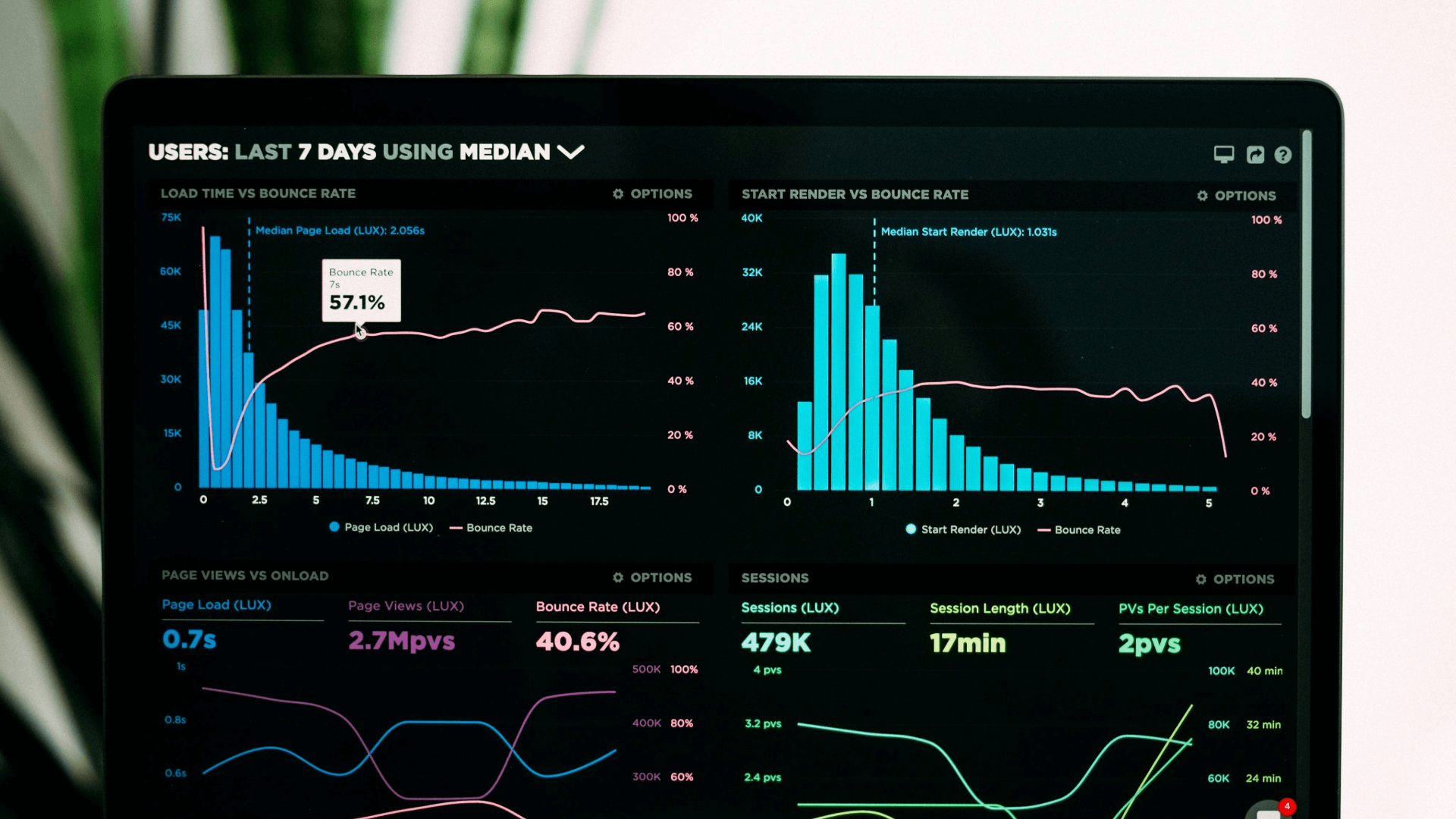
Set thresholds for transaction counts, amounts, and time windows to help identify card testing, rapid attempts, and unusual payment behavior.

Apply BIN, IP, and location-based rules to reduce payment activity from sources that create elevated transaction risk for the business.

Manage targeted rules for known cards, emails, devices, IP addresses, or other payment attributes that need to be blocked, allowed, or reviewed.
See how configurable payment fraud controls help teams move beyond basic verification checks with broader rule coverage, transaction review, and suspicious activity visibility.
| Fraud Control Need | Paygasus Fraud Controls | Basic Fraud Checks |
|---|---|---|
| Transaction Screening | Use AVS, CVV, velocity thresholds, BIN rules, IP rules, and payment attribute checks. | Often limited to basic address and card security code verification. |
| Card Testing Activity | Review rapid transaction attempts, repeated failures, unusual volume, and high-frequency payment behavior. | May not identify suspicious patterns until failed attempts or chargebacks have already increased. |
| Source-Level Controls | Apply rules tied to BIN ranges, IP addresses, locations, devices, emails, and other payment attributes. | Usually provides limited control over where suspicious payment activity is coming from. |
| Rule Flexibility | Configure fraud rules around business risk, payment channel, transaction type, and review needs. | Relies on static settings that may not reflect changing fraud patterns or operational needs. |
| Suspicious Activity Review | Give teams clearer visibility into payment exceptions, fraud signals, and transactions that may need follow-up. | May provide transaction logs without enough context for risk review or follow-up decisions. |
| Operational Response | Help payment teams adjust controls, review risk patterns, and reduce unnecessary manual work. | Can leave teams reacting manually after suspicious activity has already created operational impact. |
Need stronger controls for suspicious payment activity?
Talk to a Specialist →Paygasus supports fraud control workflows for businesses that need configurable rules, transaction screening, source-level restrictions, and clearer risk visibility across digital payment environments. Use layered controls to reduce risk while helping legitimate transactions move through the payment flow.
Fraud controls help payment teams monitor risk patterns, reduce unnecessary manual review, support chargeback prevention efforts, and respond faster when suspicious payment activity starts to appear.
Use fraud controls to configure screening rules, monitor transaction patterns, review suspicious activity, and adjust controls as payment risk changes.
Define baseline fraud rules for AVS, CVV, transaction risk, and business-specific payment review needs.
Set transaction count, amount, and time-window thresholds to identify rapid attempts or unusual payment behavior.
Use BIN, IP, card, email, device, or location-based controls to manage known or suspected risk patterns.
Review suspicious transaction activity, fraud signals, and payment exceptions so controls can be adjusted as risk patterns change.
Use Paygasus' payment fraud controls to configure screening rules, monitor suspicious activity, reduce chargeback risk, and protect digital payment workflows.