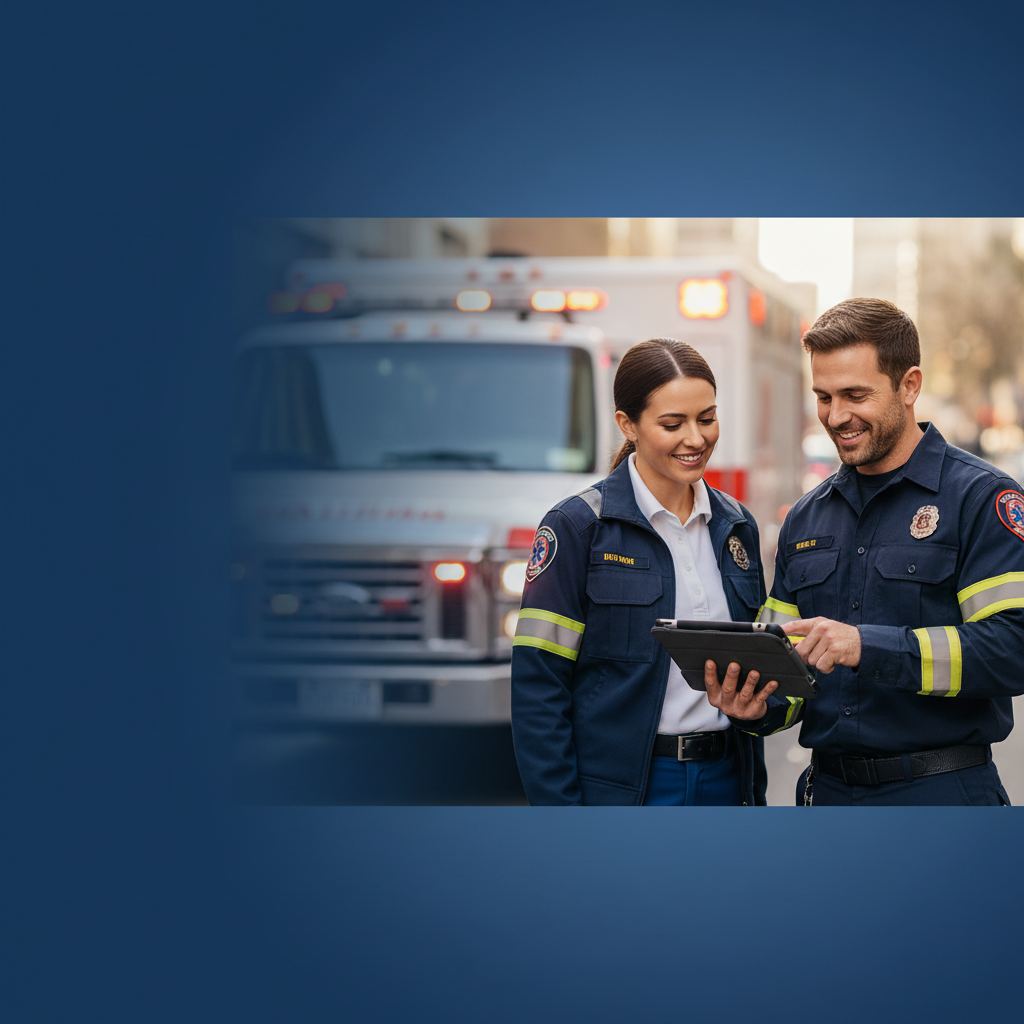
Public safety operations do not only fail when networks go offline. They fail when command staff, dispatch, and field units lose coordination while systems still appear partially operational. Paygasus Connect delivers mission critical communications networks designed to preserve operational continuity during emergencies so first responders remain aligned as network conditions degrade.
In emergency response environments, partial connectivity is often more dangerous than a total loss. Systems may appear online while command staff, dispatch, and field units fall out of coordination. Paygasus Connect is designed to maintain operational continuity as network conditions change in real time.
Paygasus Connect designs mission critical communications networks to eliminate single points of failure. When primary links degrade or fail, traffic is automatically rerouted across available paths to preserve voice, video, and data continuity. This supports secure access to essential systems during active response operations.
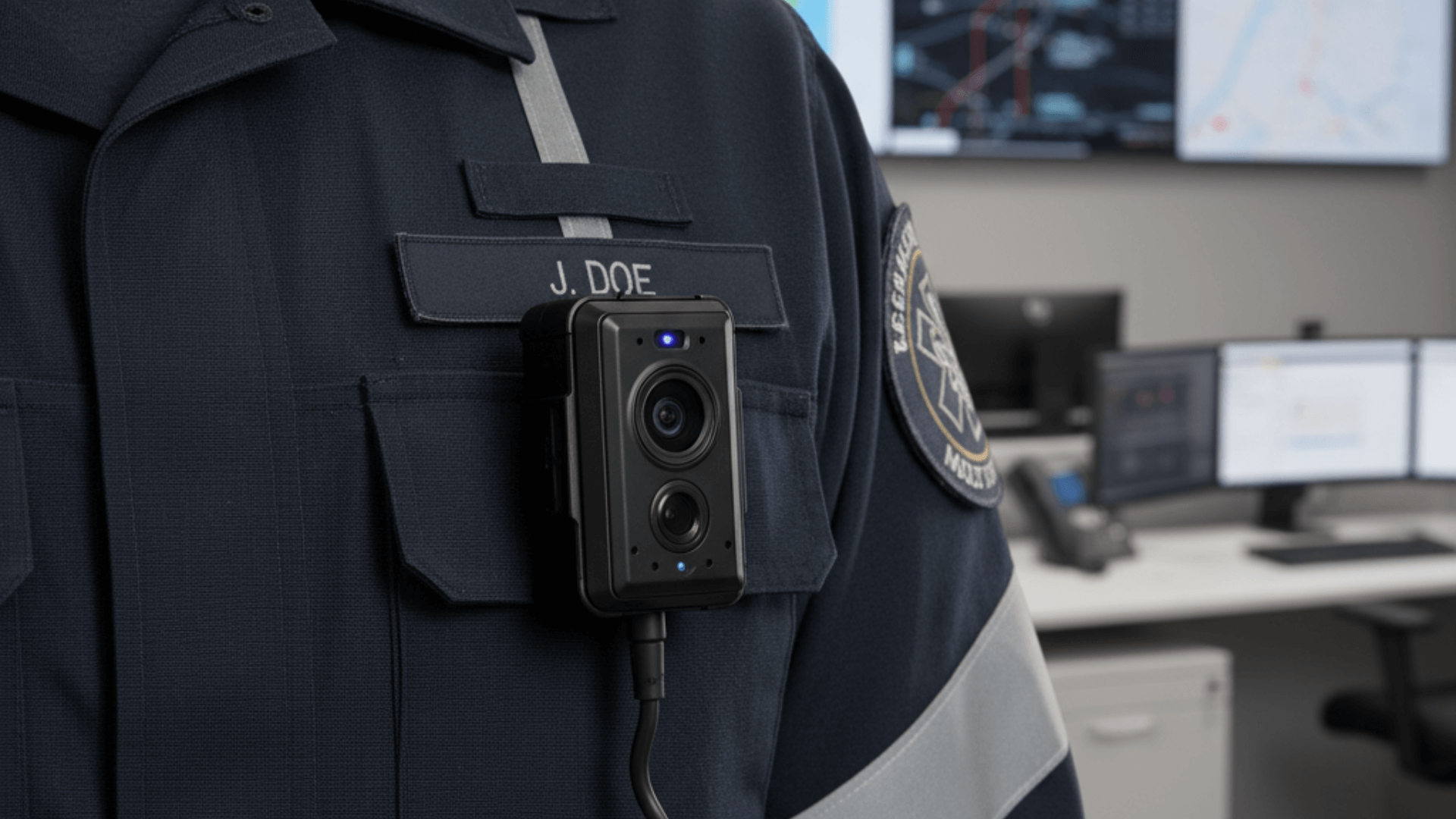
Paygasus Connect extends secure, high-speed satellite connectivity into remote, damaged, or infrastructure-limited areas where public safety teams operate. By combining satellite links with multi-path routing, Paygasus maintains redundant access paths and bonded throughput to support mission critical communications during emergency response and disaster recovery.
Paygasus Connect uses multi-link routing to combine available networks into a single logical connection, preserving throughput and session stability during link degradation or handoffs. This helps command, dispatch, and field systems remain synchronized as network conditions change.
All deployed hardware is monitored through a secure, centralized network view, enabling policy enforcement, real-time status awareness, and protection of sensitive communications. This provides a shared operational picture during incidents, reducing uncertainty when decisions must be made quickly.
Local processing supports analytics, sensor management, and video workloads at the edge, improving situational awareness and reducing response latency during active incidents when centralized resources may be degraded.
Increased bandwidth alone does not guarantee continuity. Performance often degrades during incidents when links fluctuate or transition. Public safety operations rely on multiple network paths at once, and Paygasus Connect combines available WAN links into a single managed connection to maintain throughput and preserve coordination under load.
Packet-level bonding combines all available network paths into a single logical connection, increasing usable bandwidth and preserving session stability as links degrade or transition. This helps command, dispatch, and field systems remain aligned whether teams are mobile or operating from a fixed command location.
Hardware licensed for worldwide operation supports mission-critical communications across jurisdictions and regions, reducing deployment friction and enabling consistent network behavior during multi-agency or cross-border incidents.
Built-in GPS capabilities provide real-time visibility into vehicle and asset locations, supporting dispatch coordination and situational awareness when communications and visibility are degraded.
Hardware is engineered for mobile and outdoor deployments, with independent certifications validating performance under extreme temperature, vibration, and environmental stress encountered during active response operations.

During major incidents, agencies often discover that no single party owns continuity across carriers, hardware, and support providers. Paygasus Connect is built to reduce fragmentation, shorten recovery time, and maintain command alignment when escalation paths fail under operational pressure.
Paygasus Connect designs and operates resilient mission-critical communication networks for public safety agencies, critical infrastructure, and field operations where coordination, performance, and operational support must remain intact during active incidents.
Explore practical guides on command and control continuity, vendor fragmentation, and ownership of mission critical communications during major incidents. These resources help public safety teams design resilient network strategies before the next emergency.